How to choose the right retreat length for you
Two nights and four nights are not the same thing. Here is how to think about it.
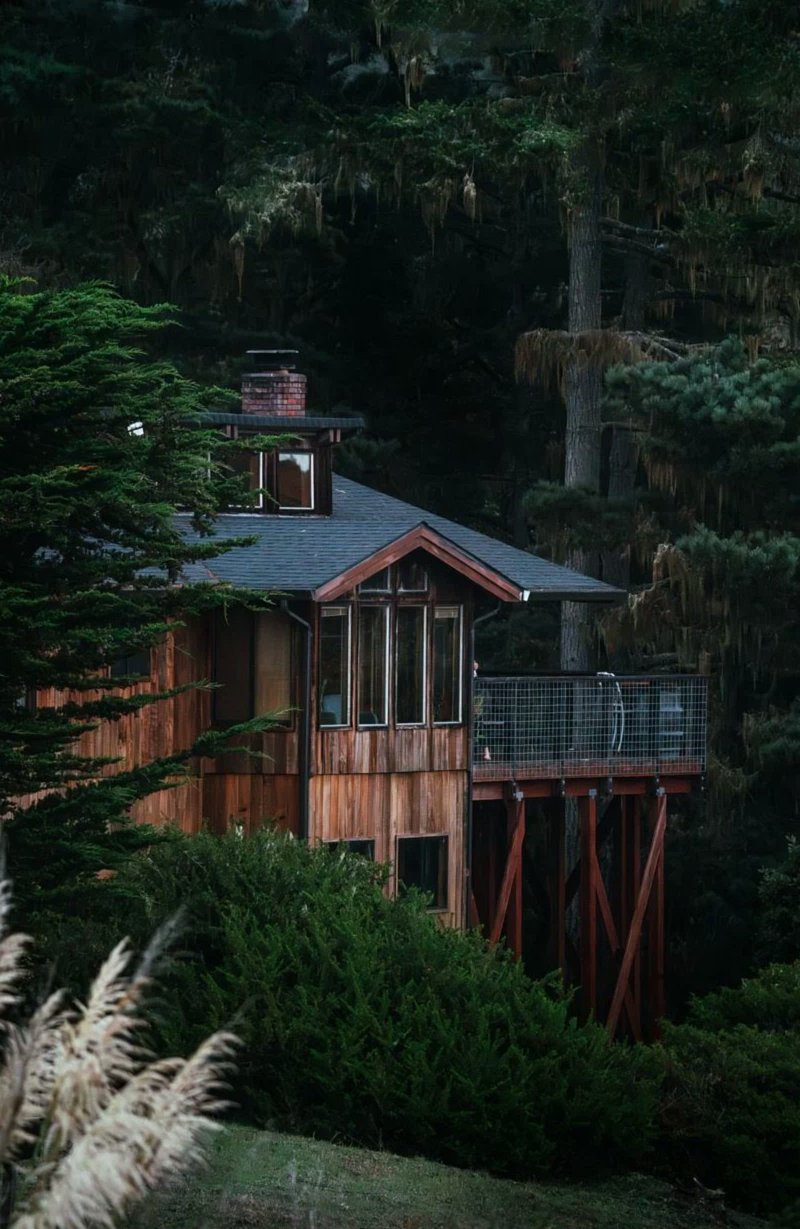
Most people arrive at the question of retreat length by guessing. They pick two nights because it feels manageable, or five nights because they think they should. Neither instinct is wrong, but there is a more useful way to think about it, and it starts with understanding what actually happens to a person across the first few days of a retreat.
The first day is almost always an adjustment
Whatever you are carrying when you arrive. The unread messages, the half-finished project, the conversation you are still processing. It does not disappear when you pull through the gate. Most guests spend the first several hours of a retreat in a kind of decompression that is not particularly restful. They walk the trails, they sit in the pavilion, and they think about everything they left behind.
This is normal and it is not a problem. But it does mean that a two-night stay gives you roughly one full day of actual retreat after the adjustment period. For some people, that is exactly what they need. For others, it is just enough time to realize they needed more.
What changes between night two and night four
The shift that guests most often describe happens somewhere between the second and third night. The adjustment period ends, the internal noise quiets, and something more useful becomes available. Writers find the sentences come differently. People working through a decision find they can sit with it without immediately reaching for resolution.
This is why the structured programs at Cedar Rain Crest run four and five nights rather than two. It is not about filling a calendar. It is about giving the process enough time to actually work. A four-night stay is the minimum for most people to experience the shift that makes a retreat feel like it was worth the trip.
When a shorter stay makes sense
A two or three-night solo stay is the right choice when you have a specific, bounded task: a draft to finish, a decision to sit with, a period of rest after a demanding stretch of work. It is also the right entry point if you have never done a retreat before and want to understand how you respond to the format before committing to a longer program.
The day retreat is a different category entirely. It is not a compressed version of a longer stay. It is a single day off the grid, useful for people who live close enough to the property to make the drive and who need a reset rather than a full retreat.
A practical starting point
If you are unsure, start with the questions we get most often in the FAQ section of this site. If you are still unsure after that, send us a note at stay@cedarraincrest.com. Janet Marsden reads every inquiry and will tell you honestly which program fits what you are describing.
There is no universally correct retreat length. There is only the length that matches what you are actually trying to do. That is worth thinking about before you book.